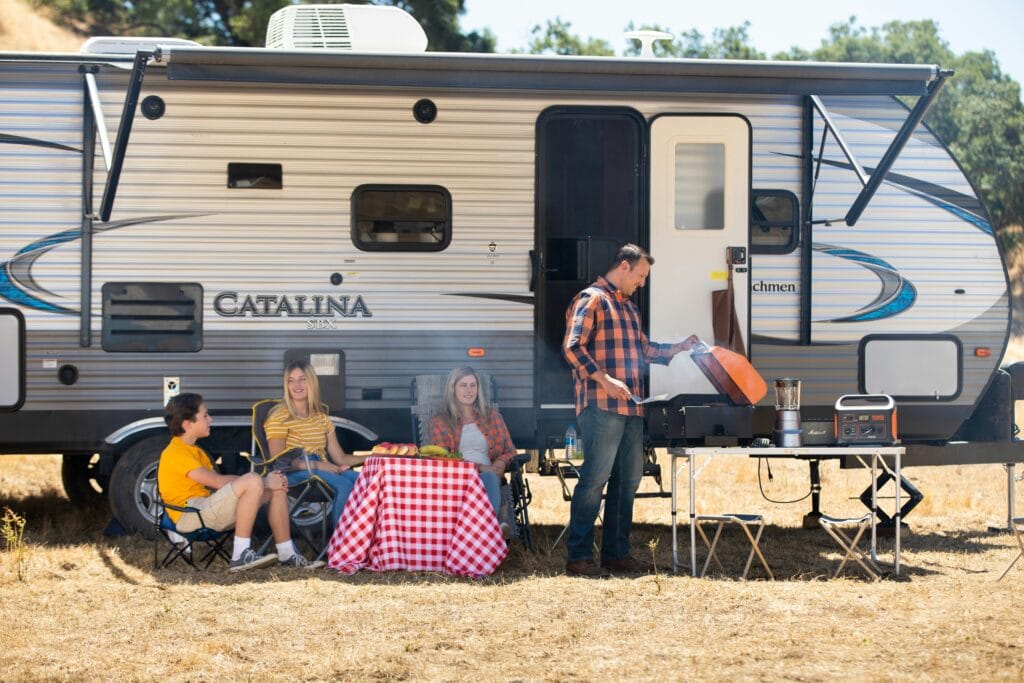
The first 72 hours of a family RV trip set the tone for everything after, so a loose plan for arrival, the first full day, and the wind-down goes a long way. You don’t need a rigid schedule, just a rough shape for each day so nobody is scrambling to figure out dinner or bedtime at the last minute. Here’s a day-by-day framework that keeps the first weekend manageable, even with kids along for the ride.
Why the First 72 Hours Matter Most
The first stretch of any family RV trip is where most of the friction happens, since everyone is adjusting to a new space, a new routine, and being close together for days at a time. Kids, especially, tend to test boundaries and struggle with transitions in a new environment, so the first day or two often feel harder than the rest of the trip. Having a rough plan for this window doesn’t prevent every hiccup, but it does mean you’re not also trying to figure out logistics while everyone is tired and cranky.
By day three, most families have settled into some kind of rhythm, even if it isn’t the one they planned for. That’s normal, and it’s part of why the first 72 hours deserve more intentional planning than the rest of the trip. Once the basics are handled, the remaining days tend to take care of themselves.
Day 1: Arrival, Setup, and a Low-key First Night
Plan for arrival and setup to take longer than you expect, especially on a first trip. Between checking in, finding your site, and getting the RV leveled and hooked up, the first couple of hours can eat up more time and patience than anticipated, so it helps to arrive with low expectations for how much else you’ll accomplish that day.
Keep the first night simple. An easy dinner, a short walk around the campground so kids can see where things are, and an earlier bedtime than usual all help everyone recover from travel and settle in. Save the exciting first activity for day two, when everyone has had a chance to sleep and reset.
Day 2: Routine and the First Big Activity
The second day is a good time to introduce a loose routine, since kids especially do better with some predictability even while traveling. A simple structure, like breakfast, an activity, downtime, and dinner, gives the day shape without feeling overly scheduled.
This is also usually the right day for your first bigger activity, whether that’s a hike, a pool day, or exploring the campground’s amenities. Kids and adults alike tend to have more patience and energy on day two than day one, once the arrival stress has passed and everyone has had a full night’s sleep.
Day 3: The Wind-down and Trip Review
By the third day, it’s worth slowing down rather than packing in more activities. A lower-key day gives everyone a chance to rest before heading home or moving on, and it’s a natural point to notice what’s working and what isn’t about the trip so far.
Take a few minutes, even informally, to talk with your family about what’s gone well and what you’d change. This is especially useful on a first trip, since it turns the experience into information you can use for the next one, rather than just muscling through and hoping it goes better next time.
Food Planning: Making Meals Manageable
Meal planning for an RV trip works best when it’s simple rather than ambitious. Pre-portioning ingredients before you leave, planning meals that use similar staples across several nights, and leaning on easy options for at least the first night or two all reduce the amount of cooking pressure once you’ve arrived.
It also helps to plan at least one meal that requires little to no cooking, especially on day one, when everyone is tired from travel. Having a flexible plan, rather than a rigid meal schedule, gives you room to adjust if the day doesn’t go as expected.
What to Pack for Kids
Packing for kids on a first RV trip goes more smoothly with a short, realistic list rather than trying to bring everything they might possibly want. A few familiar comfort items, like a favorite stuffed animal or blanket, help kids settle into an unfamiliar space faster. Weather-appropriate clothing with a few extra layers, sturdy shoes for exploring, and a basic first aid kit round out the essentials.
It’s also worth packing a small bag of low-prep entertainment, like a deck of cards, a coloring book, or a favorite outdoor toy, separate from the rest of the luggage. Having it easy to reach for the first evening, when everyone is tired and unpacking is still underway, saves you from digging through bags to find something to keep kids occupied.
How do you keep kids happy without screens?
Screens have a place on a family RV trip, but relying on them entirely tends to leave kids restless once the trip is over. Simple, low-prep activities, like a nature scavenger hunt, a deck of cards, or letting kids help with basic campsite tasks, often hold attention longer than expected, especially in a new environment with new things to explore.
Unstructured outdoor time matters too. Kids often occupy themselves well once they’ve had a chance to explore the campground a bit, especially if there are other kids around or simple features like a creek, playground, or open field nearby. Building in unscheduled time, rather than filling every hour with a planned activity, often works better than an overly packed itinerary.
Plan Your First Trip with Town & Country
A little planning for the first 72 hours makes a big difference in how a first family RV trip feels, both in the moment and in whether everyone wants to do it again. Town & Country RV Park is a good place to put that plan into practice, with the space and amenities to make those first few days easier. Check availability and reserve your site to start planning your family’s first trip.
FAQ
How long should a first family RV trip be?
A long weekend, roughly three to four days, tends to work well for a first trip. It’s long enough to settle in and enjoy some downtime, without stretching so long that it becomes exhausting.
What activities work best at an RV park?
Simple, low-prep activities tend to work best, especially early in a trip. Nature walks, campground amenities like a pool or playground, and unstructured outdoor time are usually easier to manage than activities requiring a lot of setup.
How do I plan meals for an RV trip?
Keep the plan simple rather than ambitious. Pre-portion ingredients before you leave, repeat staples across a few meals, and plan at least one low-effort meal for the first night when everyone is tired.
Is RV travel stressful with toddlers?
An RV trip can be stressful with toddlers, especially in the first day or two of a new routine in a new space. However, it can also be plenty of fun! Having a loose plan for arrival, meals, and bedtime helps reduce some of that stress, even though an adjustment period is normal with young kids.