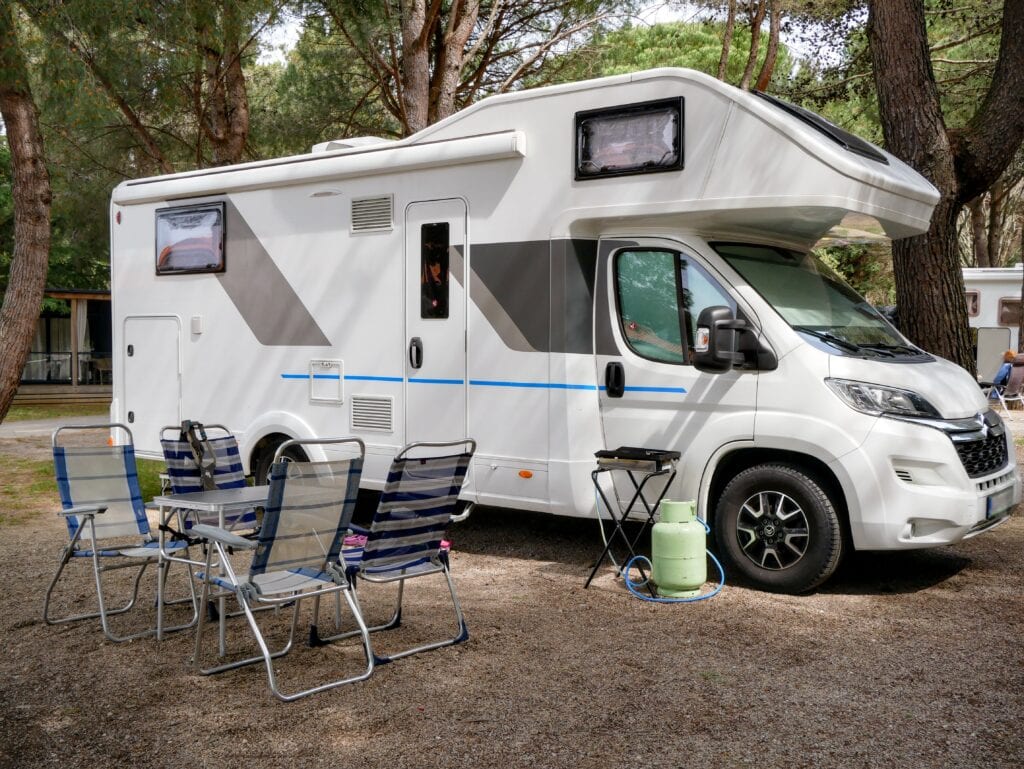
Solo travelers choose a safe, comfortable RV park by considering how well-lit and well-maintained it is, how visible your site is from the office and other campers, and how the park handles check-in and site assignment for people traveling alone. No single feature guarantees a good experience, but a few practical checks go a long way toward helping you feel settled once you arrive. Here’s what to look for, from picking the park itself down to setting up your site.
The Realities of Solo RV Travel
Traveling alone in an RV comes with real upsides, including the freedom to set your own pace and the flexibility to change plans without checking in with anyone else. It also comes with some additional considerations that don’t apply the same way when you’re traveling with a partner or group, particularly when it comes to choosing where to stay and how to set up once you arrive.
None of this means solo RV travel is inherently risky. It means that a bit more intentional planning around park selection and site setup pays off, just as it would for any solo traveler in a hotel or on a road trip. Most of the choices that make solo travel feel more comfortable are simple and don’t require compromising the independence that draws people to RV travel in the first place. If your solo trip is more of an extended stay than a quick visit, our guide to setting expectations for your first extended RV stay covers how that experience differs from a shorter trip.
What should solo RVers look for in a park?
A well-maintained park is one of the better general indicators of how seriously a property takes guest experience overall, including safety. Good lighting throughout the campground, clearly marked roads and site numbers, and a staffed office with reasonable hours all suggest a park that’s paying attention to its guests, solo or not.
It’s also worth noticing how a park communicates before you arrive. A park with clear check-in instructions, responsive staff when you call ahead, and visible reviews from other travelers gives you a better sense of what to expect than a listing with sparse information. Reading recent reviews specifically for mentions of solo travelers can offer a useful, if informal, gut check. Our beginner’s checklist for choosing your first RV park and guide to reading RV park reviews both go deeper into this if you’re still narrowing down where to stay.
Site Selection: Practical Safety Considerations
Once you’ve picked a park, the specific site you’re assigned or request matters more than many first-time solo travelers expect. A site with good sightlines to the office or a main path, rather than one tucked into a far corner, tends to feel more comfortable for many solo travelers, since it’s naturally more visible to staff and other campers.
Proximity to restrooms, well-lit walkways, and other occupied sites are all reasonable things to ask about or request when booking. Most parks are happy to accommodate a site preference for a solo traveler, so it’s worth simply asking rather than assuming you’ll be assigned wherever is left over. Our list of questions to ask a park when booking covers a few more worth adding to that call.
Solo Setup: Tips for a One-person Rig
Setting up alone takes a bit more forethought than setting up with a second set of hands. Arriving with daylight to spare, rather than pulling in right at dusk, makes leveling, hookups, and getting oriented to the campground considerably less stressful, especially at an unfamiliar park.
It also helps to have your setup routine down before you’re doing it solo for the first time, so you’re not troubleshooting your rig and getting oriented to a new site at the same time. Keeping frequently used items, like leveling blocks and hookup cables, in the same accessible spot every trip cuts down on fumbling around during setup. Our check-in checklist is worth a look before your first solo arrival, since a smooth check-in sets the tone for everything that follows.
Finding Community Without Compromising Solitude
Plenty of solo travelers appreciate some social contact without wanting a fully social trip, and RV parks tend to make that easy without requiring much effort. Common areas like a camp store, pool, or shared fire pit naturally put people in the same space without any obligation to socialize beyond a friendly hello.
If you do want more connection, campground common areas and organized activities, when a park offers them, are usually the easiest way to meet other travelers without seeking anyone out directly. It’s just as reasonable to keep to yourself for the whole trip, and a good park won’t make either choice feel awkward.
Trusting Your Gut: When to Move On
If a site or park doesn’t feel right once you’ve arrived, it’s reasonable to ask about switching sites or, if needed, to move on to a different park altogether. This applies whether something feels off about the immediate surroundings or you simply don’t feel settled.
Most parks would rather accommodate a site change than have an uncomfortable guest, so it’s worth asking the office directly if something isn’t sitting right. Trusting that instinct, rather than talking yourself out of it, is one of the more reliable tools a solo traveler has, and it costs nothing to ask.
Plan Your Solo Trip with Town & Country.
Choosing a well-run, welcoming park makes solo RV travel considerably easier, and it’s worth being a little selective about where you stay. Town & Country RV Park is here to make that choice easier for solo travelers looking for both comfort and independence. Check availability and reserve your site to start planning your trip.
FAQ
Are RV parks safe for solo travelers?
Most RV parks are reasonably safe, though no park can guarantee a universally safe experience for every traveler. Choosing a well-lit, well-maintained park with a staffed office and doing a bit of research beforehand both help.
Should I tell the office I’m traveling alone?
It’s generally a good idea. Most park staff are used to solo travelers and can offer a site recommendation or extra attentiveness if you let them know, and it costs nothing to mention it at check-in.
What’s the best site to request as a solo traveler?
A site with good visibility from the office or a main path, rather than an isolated corner, tends to feel more comfortable for most solo travelers. Proximity to restrooms and well-lit walkways are also reasonable things to ask about.
How do I meet people at an RV park?
Common areas like a camp store, pool, or shared fire pit are the easiest, lowest-pressure places to meet other travelers. Organized park activities, where available, are another easy option if you want more social contact.