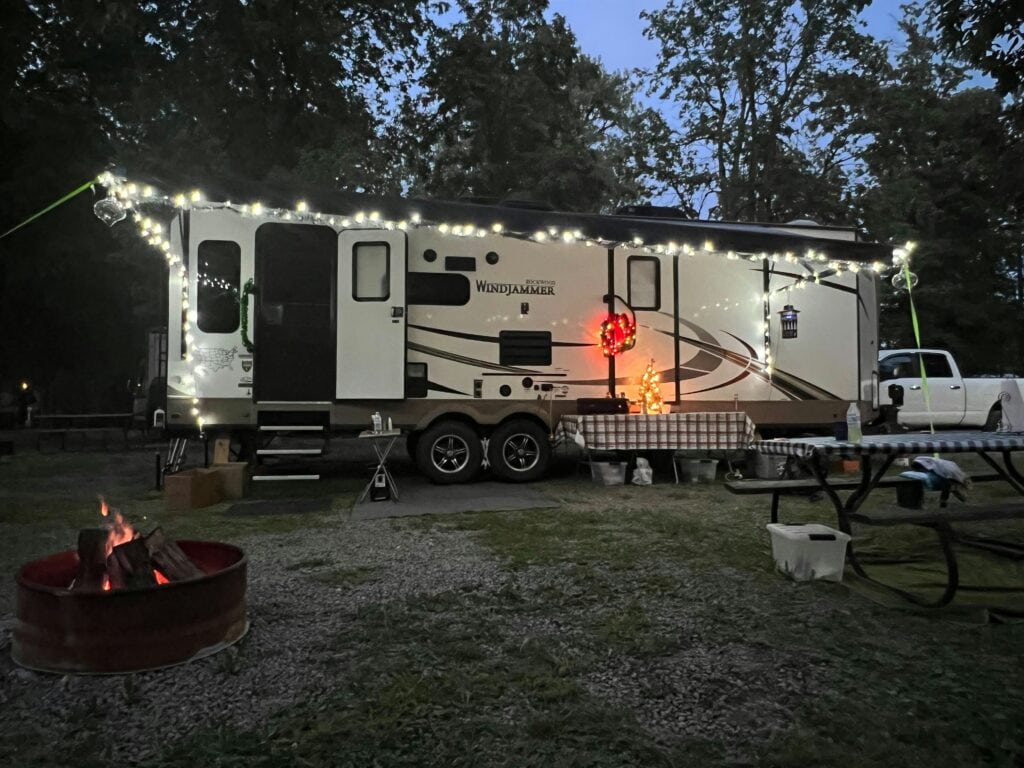
An extended RV stay changes the experience in ways that a weekend trip does not. The routine shifts. Small things that are easy to overlook on a short trip start to matter more when you are settled in for weeks or months. That said, let’s set some expectations for your first extended RV stay!
What Counts as an Extended Stay
Many RV parks draw a practical line at around 30 days for pricing and policies. In everyday terms, though, an extended stay can start well before that. Some parks begin offering weekly rates after just a few nights. Others reserve monthly pricing for stays of a full calendar month or longer. A few offer seasonal rates for stays of several months, a common practice in snowbird destinations.
The distinction matters. It can affect how you are billed, how utilities are handled, and which sites are available to you. Before you book anything longer than a few nights, ask the park which rate category applies to your stay. Also, ask exactly what that rate includes.
How Rates and Billing Usually Work
Nightly rates at most RV parks are all-inclusive. The site fee usually covers electricity, water, and sewer. That often changes when you switch to weekly, and especially monthly, billing.
At many parks, a monthly rate covers the lot fee. Utilities, especially electricity, may be billed separately based on actual usage. This keeps the base rate competitive, but your total monthly cost will depend on how much power your rig uses.
The savings from a monthly rate can be significant compared with paying nightly for the same length of stay. A park that charges a standard nightly rate for short stays will often price a monthly stay at a lower per-night equivalent rate. The exact difference varies by park, region, and season. When comparing options, ask for the full picture. Get the base rate, estimated utilities, and any additional fees for things like cable, Wi-Fi, extra vehicles, or guests.
Utilities: Metered vs. Flat-Rate
Understanding utilities before you arrive can help you avoid surprises on your first bill. At some parks, electricity is metered and billed by the kilowatt-hour, similar to a home utility account. At others, it is bundled into a flat monthly rate. Water and sewer are often included in the monthly fee, but not always. Ask specifically about each one.
If your electricity is metered, your usage habits will affect your cost. Running air conditioning heavily in summer can add up quickly. Some long-term RVers adjust their routines by using fans overnight, cooking with propane instead of electric appliances, or being more mindful of peak heat. None of these are required, but they are worth knowing if you are watching your budget.
Settling In: Routines That Make a Difference
One of the biggest adjustments during an extended stay is shifting from travel mode to living mode. On a short trip, small inconveniences are easy to ignore. Over several weeks, they add up.
Daily comfort matters more during a long stay. Leveling, cable management, outdoor space, storage, and traffic flow inside the rig all make a difference.
Take the time upon arrival to set up properly, rather than just getting close enough. A level, organized rig is easier to live in than one that is slightly off and cluttered. If the park allows outdoor rugs, chairs, and a mat at the door, use them. They help the site feel more settled and keep the inside cleaner over time.
Mail, Packages, and Getting Things Shipped
Mail is one of the more practical things to sort out before an extended stay. Many private RV parks will accept mail and packages for long-term guests, but this is not universal. Do not assume it is available. You should also call the park ahead of time and ask whether they accept guest mail. If they do, confirm how the packages should be addressed to ensure they reach the right location.
For shipments the park cannot receive, USPS General Delivery may be an option. You can have USPS-shipped mail held at a local post office by addressing it to your name with “General Delivery” and the post office’s city, state, and ZIP code. You pick it up in person with a photo ID.
This only works for items shipped through USPS. UPS and FedEx packages cannot be addressed to General Delivery. Not every post office accepts General Delivery, either, so confirm with the specific location before using it.
What You Will Wish You Had Brought
Extended stays reveal packing gaps quickly. First-timers often wish they had brought more than one power strip or surge protector, a good outdoor mat, a clothesline or drying rack, extra water filter cartridges, and basic tools for small repairs.
These items are not always critical, but they make long stays easier. Having them on board can save a trip to the hardware store during the first week. Connectivity is also worth thinking about before you arrive. Park Wi-Fi varies widely in reliability and speed. Many extended-stay RVers supplement park Wi-Fi with a cellular data plan or hotspot device. This is especially helpful if you work remotely or stream frequently.
Book with Town & Country RV Park Today!
Town & Country RV Park sits in Bridge City, Texas — less than 3 miles from the Orange County Advanced Power Station and within a 20-minute drive of every major refinery and LNG facility in the Golden Triangle. Our sites come with all utilities included and free WiFi, so you can park, plug in, and get to work. Book with us today!
Frequently Asked Questions
What is the difference between weekly and monthly RV rates?
Weekly rates usually offer a modest discount over the nightly rate and often still include utilities. Monthly rates usually offer a larger per-night discount, but they may separate out utility billing, especially electricity. Ask each park what is included at each rate tier.
Are utilities billed separately on long stays?
Often, yes. Nightly rates at most parks are usually all-inclusive. Monthly rates frequently bill electricity separately based on metered usage. Water and sewer may or may not be included, depending on the park. Confirm the details before you book.
Can I get mail delivered to an RV park?
Many private RV parks accept mail and packages for long-term guests, but not all do. Short-term guests are less likely to have this option available. Call ahead to confirm. If the park does not accept mail, USPS General Delivery at a nearby post office may be a free alternative for USPS-shipped items.
How do extended stays work for taxes and residency?
This depends on your situation, your home state, and how long you stay in any given location. It is outside the scope of general RV park guidance. Consider speaking with a CPA or tax professional who has experience with full-time or long-term RV living.