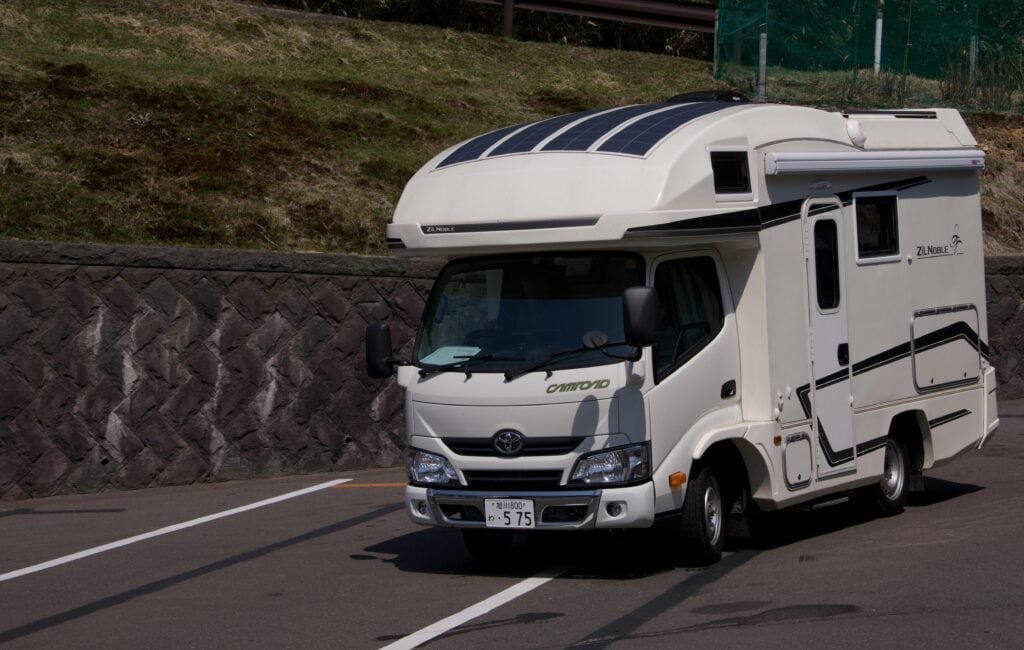
A good RV itinerary leaves enough time for three parts of the trip: driving safely, stopping without feeling rushed, and staying long enough to enjoy each destination. Pack too many miles into each day, and the trip becomes exhausting. Schedule too many one-night stops, and you may spend more time setting up and breaking camp than exploring.
Why RV Travel Days Take Longer Than Expected
New RVers often plan their first trip the same way they would plan a regular road trip: choose a destination, map the fastest route, and drive until they get there. That approach may work in a passenger vehicle, but traveling in an RV generally requires more time and concentration. Fuel stops can take longer, parking options are more limited, and traffic, wind, construction, mountain grades, and narrow roads can make a relatively short distance more tiring than expected. You also need time to check in, position the RV, level the rig, and connect utilities once you reach the campground.
There is no universal mileage limit that works for every RV, road, or driver. Rig size, terrain, weather, driving experience, and personal stamina all affect how far you can comfortably travel. The goal is not to reach a particular mileage number. It is to arrive alert enough to maneuver and set up safely.
Using the 3-3-3 or 2-2-2 Rule
Many RV travelers use a simple framework to keep travel days manageable. The commonly cited 3-3-3 rule means driving no more than approximately 300 miles, arriving by 3 p.m., and staying for at least three nights before moving again. A slower variation is the 2-2-2 rule: travel approximately 200 miles, arrive by 2 p.m., and stay for at least two nights.
Neither framework is a strict safety standard. They are planning tools meant to prevent an RV trip from becoming a continuous sequence of long drives and one-night stops. Travelers with limited vacation time may stay only one night at certain stops, while others may remain in one place for a week or longer. The useful principle behind both frameworks is to limit consecutive travel days, protect your arrival window, and leave enough time to enjoy the places you visit.
Booking in Advance vs. Staying Flexible
Most longer RV trips benefit from a combination of reservations and flexible travel days. Booking ahead gives you certainty, particularly around national parks, coastal destinations, special events, and holiday weekends. Many popular campgrounds require reservations, and some high-demand locations fill within minutes or months of becoming available.
Flexibility is valuable because weather changes, mechanical problems happen, and some destinations turn out to deserve more time than expected. An itinerary booked solid for every night can make even a small delay difficult to manage. A practical middle ground is to reserve the portions of the trip where availability is limited, or timing is important, and leave more flexibility around lower-demand areas once you have confirmed that suitable last-minute or first-come, first-served options exist. Before counting on any stop, it helps to know how to read RV park reviews with a critical eye, so you’re not relying on a single rating to make the call.
Mapping the Stops Between Major Destinations
Once you know your starting point and final destination, avoid simply drawing the fastest line between them and adding fuel stops. Divide the route into realistic travel days based on the roads you will be using, not just the mileage displayed by a standard mapping app. Mountain roads, construction zones, urban traffic, and frequent stops can significantly increase travel time, and your route should also account for the height, length, weight, and turning needs of your rig.
A longer trip usually feels less rushed when it includes several anchor stays, stops where you remain for at least two or three nights, rather than a chain of one-night stops. An anchor stay gives you time to explore without packing up the RV every morning, and it can also provide room for grocery shopping, laundry, maintenance, or a quiet day at the campsite. If it’s your first time building a trip around a longer stop, setting expectations for an extended RV stay ahead of time makes the adjustment smoother. Short overnight stops are still useful for covering distance, but building the entire trip around them tends to feel tiring since every day includes both travel and setup.
When to Push Through and When to Stop
Even a carefully planned itinerary will occasionally conflict with what is happening on the road. Traffic may delay your arrival, someone may become tired, or weather may make the next portion of the route uncomfortable or unsafe. Continuing may be reasonable when the driver remains alert, road and weather conditions are safe, and the remaining distance is modest, though a reservation should never take priority over safe driving.
Settling in for a stop makes sense when the driver is becoming drowsy or losing concentration, when wind, storms, flooding, ice, or poor visibility are affecting the route, or when reaching the campground would mean arriving after dark without knowing the late-arrival procedure. Daylight makes it easier to spot low branches, utility connections, and uneven ground at a new site, and having a smooth check-in checklist ready ahead of time helps regardless of what time you roll in.
Adjusting the Plan During the Trip
An RV itinerary is a starting point, not a contract. Review the route every few days and adjust it according to weather, energy levels, campground availability, and what the group is actually enjoying. That may mean shortening the next travel day, adding a night at an unexpected stop, or removing a destination that no longer fits the route.
These changes do not mean the original planning was wasted. A useful itinerary gives you enough structure to know where you are going while leaving enough room to respond when circumstances change. Building one open day into a longer trip, whether it becomes a rest day, a weather delay, or an extra night at a favorite location, tends to make those adjustments far easier to absorb.
Book Your Stay Today!
Planning a longer route through Texas? Town & Country RV Park makes a solid overnight stop or a comfortable place to settle in for a few nights between travel days. Reserve your site early when traveling during holidays, special events, or the busiest parts of the season.
FAQ
How many miles should I drive in an RV each day?
There is no fixed daily mileage limit for every RV or driver. Many travelers use approximately 200 to 300 miles as a planning range, but road conditions, terrain, weather, rig size, and driver fatigue can make a shorter day more appropriate.
Should I book every campground in advance?
Not necessarily. Reserve high-demand destinations, holiday stays, and stops where the schedule cannot easily change. Flexible stops can work in lower-demand areas, but confirm that campgrounds offer first-come, first-served or short-notice availability before relying on them.
What is the 3-3-3 rule for RV travel?
It generally means traveling no more than about 300 miles, arriving by 3 p.m., and staying for at least three nights. The slower 2-2-2 version uses approximately 200 miles, a 2 p.m. arrival, and a two-night stay. Both are optional planning frameworks rather than formal travel rules.
How should I plan around weather?
Check the forecast throughout the trip rather than relying only on what you saw before leaving home. Build extra time into the itinerary and be prepared to delay travel when high winds, thunderstorms, flooding, ice, or poor visibility could make driving unsafe.