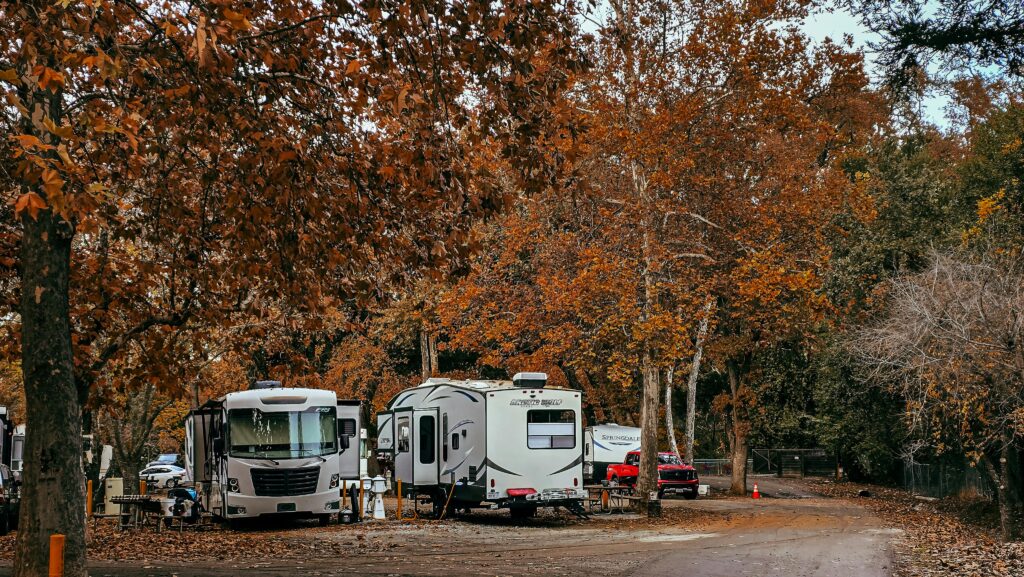
Not all RV sites are created equal, and the type you book can make or break your stay before you ever unhook a hose. Pull-through, back-in, waterfront, premium—these terms show up on every reservation page, but most first-timers have no idea what they actually mean. Here is a practical breakdown of RV site classifications to help you book with confidence.
Why Site Type Matters More Than You Think
The site you choose affects more than just where you park. It determines how easy your arrival is, how much privacy you have, what is right outside your door, and sometimes how much you pay. Two campers booking the same park can have completely different experiences depending on which site they land on.
Knowing the difference between site types also helps you communicate clearly when you call to make a reservation. Parks will often accommodate requests when they can, but you have to ask using the right language. Taking five minutes to understand the basics before you book is one of the easiest ways to improve any RV trip.
Pull-Through Sites: Easy Access for Any Rig
A pull-through site is exactly what it sounds like: you drive in from one end and pull out the other without ever having to back up. The lane runs straight through the site, so setup is as simple as pulling forward until your hookups line up and setting the brake. For rigs over 35 feet, towing a vehicle, or hauling a large fifth wheel, this is often the most practical choice available.
Pull-through sites are also a genuine confidence boost for newer RVers who are still getting comfortable with how their rig handles. There is no reversing, no need for a spotter, no pressure from the line of cars waiting behind you. Experienced travelers often default to pull-throughs as well, simply for the convenience, especially when they are moving every day or two and do not want the hassle of a tight back-in at the end of a long drive.
Back-In Sites: A Bit of Skill, Often a Better Deal
Back-in sites require you to reverse into the space, which takes some practice but is manageable for most drivers after a few attempts. The orientation typically places your door and awning side facing outward, giving you a more open, camp-facing setup that many experienced RVers actually prefer. The entry process gets easier every time you do it.
One practical advantage of back-in sites is availability; they are far more common than pull-throughs at most parks, so your options are wider. Many parks also price them slightly lower. If you are willing to practice in an empty parking lot before your trip, or you travel with a partner who can spot for you, back-in sites open up more choices and often place you in quieter areas of the park with more natural surroundings.
Premium and Waterfront: When It’s Worth the Upcharge
Premium and waterfront sites are upgrades in every sense. A waterfront site puts you directly on the edge of a lake, river, or pond, with views and sounds that a standard interior site cannot match. Waking up to open water, having shorter access to a dock, or simply sitting outside with a better view are the reasons people pay more for these spots.
Whether the upcharge is worth it depends on what kind of trip you are taking. For a weekend centered around fishing, kayaking, or relaxing outdoors, a waterfront site adds real value you will feel throughout the stay. For a quick overnight stop on a longer road trip where you are mostly sleeping and moving on, a standard site handles the job just as well and keeps more money in your pocket for the next leg of the trip.
Site Dimensions and Big-Rig Considerations
RV site dimensions vary significantly from park to park, and the listed site type does not always tell the full story. A pull-through that works for a 30-foot travel trailer may not accommodate a 45-foot diesel pusher towing a car. Always check the listed pad length, and if it is not posted online, call the park and ask directly before you commit.
Big-rig-friendly is a phrase parks use to signal wider lanes, longer pads, full hookups, and clearance from overhead obstacles like tree branches or utility lines. If you are driving something large, asking whether your rig fits is not an overreach. Park staff fields these questions regularly and would rather answer them before you arrive than manage a situation at the entrance.
How to Request the Site You Want
Most parks allow site requests at the time of booking, though they are rarely guaranteed until you check in. When you call or reserve online, be specific: mention your rig length, whether you need a pull-through, and any preferences like extra slide-out clearance or a quieter section of the park. The more clearly you communicate, the better your chances of landing something close to what you want.
Arriving earlier in the day also helps. Sites turn over throughout the morning and early afternoon, and staff typically have more flexibility to place you well before the afternoon rush fills in. If waterfront or premium sites are a priority, checking availability before peak season or being flexible on exact dates can make a meaningful difference in what is available when you book.
Book with Town & Country RV Park Today!
Town & Country RV Park sits in Bridge City, Texas — less than 3 miles from the Orange County Advanced Power Station and within a 20-minute drive of every major refinery and LNG facility in the Golden Triangle. Our sites come with all utilities included and free WiFi, so you can park, plug in, and get to work. Book with us today!
Frequently Asked Questions
Are pull-through sites more expensive?
Often, yes. Pull-through sites carry a small premium at many parks because of the added convenience. The difference varies by property, but it is typically a few dollars per night.
Can a 40-foot rig fit in a back-in site?
It depends on the park. Some back-in sites are designed to accommodate large rigs, while others are built for smaller setups. Confirming pad length with the park before you book is always the right move.
What does “big rig friendly” mean?
It generally signals that the park has longer pads, wider lanes, and full hookups suited to larger coaches and fifth wheels. The specifics vary, so calling ahead to confirm the details is imperative.
Should I pay extra for a waterfront site?
If views or water access are central to your trip, the upcharge is usually worth it. If you are primarily using your rig for sleeping between destinations, a standard site is the more practical choice.